The question of how Iranians can achieve political transformation has intensified following decades of protests, from the Green Movement of 2009 to the Woman, Life, Freedom protests of 2022-2023. While the desire for change is widespread among many Iranians, particularly the younger generation, the pathways to achieving meaningful political reform or transformation remain complex, contested, and fraught with risk.
This article examines the various strategies that civil society movements, activists, and ordinary Iranians have employed or proposed, the significant challenges they face, and what history teaches us about successful political transitions.
Understanding the Landscape
Before discussing strategies, it’s essential to acknowledge several realities:
The Regime’s Power Structure The Islamic Republic maintains control through multiple overlapping power centers including the Revolutionary Guards (IRGC), the Basij militia, intelligence services, the judiciary, and religious institutions. This diffusion of power makes change more complex than simply replacing a single leader.
Diversity of Opposition Iranians seeking change represent a broad spectrum—from those wanting gradual reform within the current system to those seeking complete transformation. These groups include secularists, monarchists, leftists, moderate reformists, ethnic minorities, women’s rights activists, labor movements, and more. Lack of unity has historically weakened opposition efforts.
Information Control and Repression The regime employs sophisticated surveillance, internet shutdowns, arbitrary detention, and severe punishment for dissent. This creates immense personal risk for activists and makes organizing extraordinarily difficult.
International Dimension Foreign involvement in Iran’s political future is deeply controversial. While some seek international pressure and support, others worry that external interference could delegitimize movements or lead to sanctions that primarily harm ordinary citizens.
Strategies Employed and Proposed
1. Mass Nonviolent Resistance
What It Is: Drawing on the principles of civil resistance movements worldwide, this strategy involves sustained, organized nonviolent action including strikes, boycotts, demonstrations, and civil disobedience to make the status quo ungovernable.
Historical Examples:
- The 1979 Iranian Revolution itself succeeded partly through mass strikes and protests
- The Solidarity movement in Poland
- The Velvet Revolution in Czechoslovakia
- The People Power Movement in the Philippines
- More recently, the protests in Sudan (2019) and Armenia (2018)
Current Application in Iran:
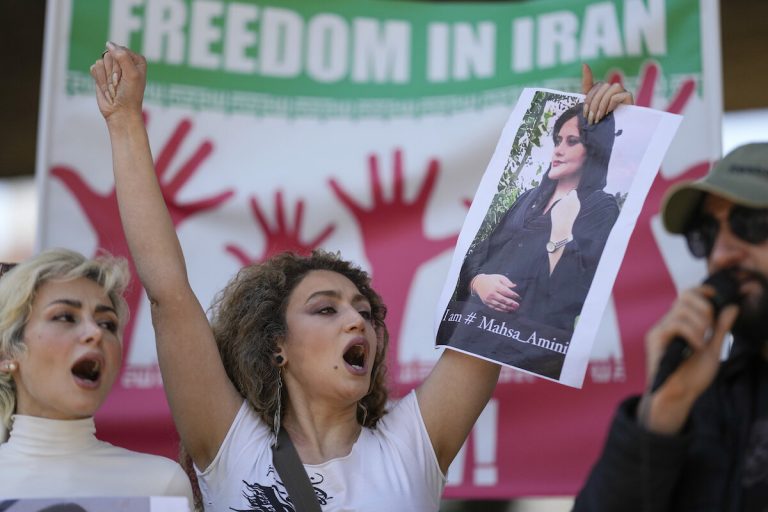
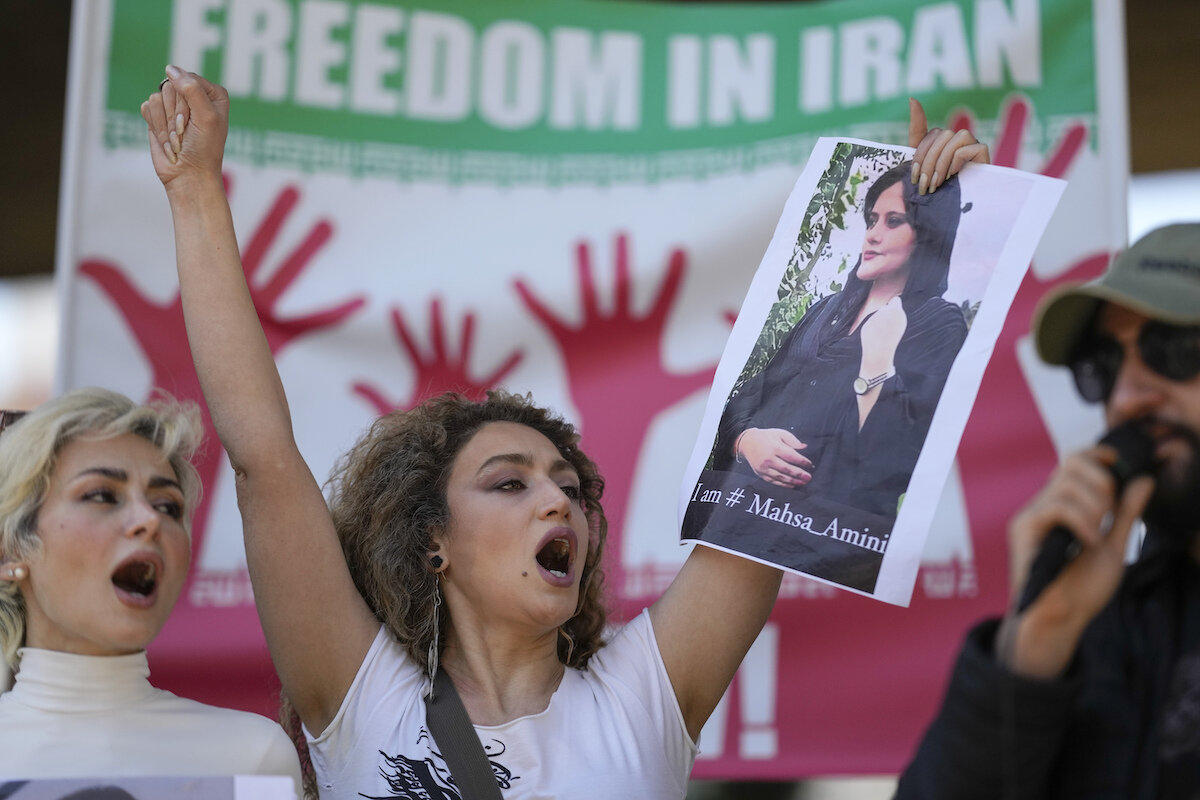
- The Woman, Life, Freedom movement demonstrated the power of decentralized protests
- Work stoppages by bazaar merchants, teachers, and oil workers have periodically occurred
- Women removing mandatory hijabs in public as daily acts of resistance
Challenges:
- Requires sustained coordination despite communications restrictions
- Regime has shown willingness to use lethal force against protesters
- Economic pressures make prolonged strikes difficult for working-class Iranians
- Lack of unified leadership makes it hard to escalate pressure strategically
Success Factors from Other Movements: Research by Erica Chenoweth and others shows nonviolent movements are twice as likely to succeed as violent ones, but success typically requires:
- Sustained participation by 3.5% or more of the population
- Defection from security forces and regime insiders
- Unity across diverse opposition groups
- Clear strategic planning, not just spontaneous protest
2. Building Civil Society and Alternative Institutions
What It Is: Creating parallel structures—underground schools, mutual aid networks, independent media, cultural organizations—that provide services and community outside state control.
Historical Examples:
- Polish civil society under communism (underground universities, publishing)
- South African anti-apartheid movement’s community organizations
- Czechoslovakian “parallel polis” concept
Current Application in Iran:
- Underground women’s rights education networks
- Encrypted messaging for organizing
- Samizdat-style information sharing
- Independent art, music, and cultural production
- Informal economic networks bypassing regime-controlled sectors
Challenges:
- Severe punishment when discovered
- Difficulty scaling beyond small networks
- Requires years or decades to build meaningful alternative institutions
- Economic pressures limit participation
Why It Matters: Civil society infrastructure can outlast protest movements and provides the organizational capacity needed for eventual transition. It also demonstrates the possibility of life beyond the current system.
3. Working Within the System for Reform
What It Is: Engaging with existing political institutions (elections, parliament, reform politicians) to push for incremental change while avoiding direct confrontation.
Historical Examples:
- Glasnost and perestroika in the Soviet Union
- Democratic transition in South Korea and Taiwan
- Reform movements within one-party systems
Current Application in Iran:
- Supporting reformist candidates in elections
- Using legal channels to challenge unjust laws
- Reform-minded clerics and politicians working for change from within
Challenges:
- Supreme Leader and unelected bodies hold ultimate power
- Reformist politicians have limited actual authority
- Electoral participation can be seen as legitimizing the system
- Repeated disappointments as reforms are blocked or reversed
- Many Iranians, especially younger generations, have lost faith in this approach
The Debate: Some argue that working within the system is futile and only props up the regime. Others contend that reform creates political space for civil society and reduces repression, making other forms of resistance possible.
4. International Pressure and Solidarity
What It Is: Leveraging international attention, sanctions, diplomatic pressure, and global solidarity movements to support change efforts.
Forms This Takes:
- Economic sanctions targeting regime leadership (controversial)
- International criminal court investigations
- UN resolutions and condemnations
- Diaspora advocacy and awareness campaigns
- Technology companies providing circumvention tools
- Global media coverage amplifying Iranian voices
Challenges:
- Broad sanctions often hurt ordinary people more than regime elites
- External pressure can trigger nationalist sentiment and strengthen the regime
- Risk of military intervention or foreign interference
- Competing geopolitical interests of major powers
- Debate over whether diaspora voices truly represent Iranians inside the country
The Balancing Act: Many Iranian activists seek targeted international support (technology for circumventing censorship, political solidarity) while opposing broad economic sanctions or military intervention that they view as harmful to civilians.
5. General Strike and Economic Pressure
What It Is: Coordinated work stoppages across key economic sectors (oil, bazaar, transportation, banking) to create unsustainable economic pressure.
Why It’s Powerful:
- Iran’s economy depends on oil exports and domestic commerce
- Bazaar merchants have historically been politically significant
- Economic crisis increases pressure on regime from all sides
Challenges:
- Requires extraordinary coordination and discipline
- Many Iranians live paycheck-to-paycheck and cannot afford to stop working
- Regime can crack down harshly on organizers
- International sanctions already create economic hardship, making additional pressure problematic
Historical Precedent: General strikes played crucial roles in Iran’s 1979 revolution and in political transitions in Poland, South Africa, and elsewhere.
6. Information Warfare and Countering Propaganda
What It Is: Using social media, encrypted communications, and independent journalism to counteract state propaganda, document abuses, and build solidarity.
Current Application:
- Iranians documenting protests and sharing globally
- Fact-checking regime claims
- Bypassing censorship through VPNs and proxy servers
- Creating art, music, and memes that spread alternative narratives
Challenges:
- Increasingly sophisticated internet shutdowns
- Risk of surveillance and prosecution
- Regime’s own propaganda capabilities
- Spread of misinformation and conspiracy theories
Why It Matters: When the regime cannot control the narrative, its legitimacy erodes. Global awareness also creates international pressure and solidarity.
Major Obstacles to Change
Regime Cohesion and Willingness to Use Force
Unlike some authoritarian regimes, Iran’s security apparatus has repeatedly shown willingness to kill protesters. The regime has survived largely because its security forces remain loyal, well-paid, and ideologically committed.
Economic Entrenchment
The IRGC controls an estimated 40% of Iran’s economy. Regime elites have massive financial interests in maintaining the status quo, making them resistant to change that would threaten their wealth and power.
Lack of Unified Opposition
The opposition’s diversity is both a strength (broad-based discontent) and a weakness (no unified strategy or leadership). Monarchists, leftists, liberals, and ethnic groups often have competing visions for Iran’s future.
Geographic and Demographic Divisions
Urban/rural divides, ethnic tensions (Persian, Azeri, Kurdish, Arab, Baloch), and generational differences complicate unified action. The regime has historically exploited these divisions.
External Factors
Regional conflicts, competition between the US, Israel, Saudi Arabia, and other powers, and the nuclear issue create a complex geopolitical environment that can overshadow or complicate internal reform efforts.
Trauma and Fear
Decades of repression, the execution of thousands of political prisoners in the 1980s, and ongoing arbitrary detention create profound fear. Many Iranians are understandably cautious about openly opposing the regime.
Lessons from Successful Transitions
Research on political transitions offers important insights:
1. Elite Fractures Matter Most successful transitions occur when regime elites defect or refuse to suppress protests. This happened in the Soviet Union, Tunisia, and East Germany.
2. Nonviolent Movements Succeed More Often Violent insurgencies rarely succeed and often lead to civil war. Nonviolent movements are more likely to attract broad participation, cause security force defections, and create sustainable democracies.
3. Unity is Essential Opposition movements that can bridge ideological, class, and ethnic divides are far more likely to succeed. Poland’s Solidarity united workers, intellectuals, and religious groups.
4. Patience and Persistence Most successful movements took years or decades. South Africa’s anti-apartheid struggle lasted generations. Civil society building is slow work.
5. International Support Helps, But Can’t Replace Domestic Movement External pressure can create opportunities, but change ultimately comes from within. Foreign intervention often backfires.
6. The Transition Matters as Much as the Overthrow Planning for post-regime governance is crucial. Libya, Iraq, and other cases show that overthrowing a regime without a plan for what comes next can lead to chaos or even worse oppression.
What Can Individual Iranians Do?
For ordinary Iranians considering their role in political change, options include:
Lower-Risk Actions:
- Refusing to internalize regime propaganda
- Educating oneself and others about rights and history
- Supporting independent artists, journalists, and businesses when possible
- Maintaining connections across social and ethnic divides
- Documenting and preserving truth for future generations
Medium-Risk Actions:
- Participating in permitted or semi-permitted protests
- Sharing information through encrypted channels
- Supporting civil society organizations
- Economic boycotts of regime-connected businesses
- Individual acts of defiance (clothing choices, cultural expression)
Higher-Risk Actions:
- Direct organizing and activism
- Labor strikes and work stoppages
- Sustained participation in protests
- Creating independent media or organizations
Critical Considerations:
- Every person must assess their own risk tolerance
- Those with dependents, health issues, or particular vulnerabilities face different calculations
- Protecting oneself is not cowardice—movements need people who survive
- Collective action provides more safety than individual acts
The Role of the Iranian Diaspora
The millions of Iranians living abroad face their own questions:
What They Can Do:
- Amplify voices from inside Iran
- Advocate for targeted rather than broad sanctions
- Provide technical support (VPNs, circumvention tools)
- Document human rights abuses for international bodies
- Maintain cultural and informational connections
What They Should Avoid:
- Claiming to speak for all Iranians
- Supporting policies (like war or broad sanctions) that harm ordinary Iranians
- Internal conflicts that weaken overall movement
- Romanticizing or minimizing the risks Iranians inside Iran face
No Easy Answers
The path to political change in Iran is extraordinarily difficult. The regime maintains strong coercive power, the opposition is divided, and the risks of activism are severe. Foreign intervention is as likely to make things worse as better.
Yet history also shows that change is possible. The Soviet Union seemed permanent until it wasn’t. Apartheid in South Africa appeared unshakeable until it fell. The Berlin Wall was solid until it crumbled.
What made these transitions possible was not a single strategy but rather:
- Years of patient civil society building
- Moments when mass mobilization became possible
- Elite fractures at critical junctures
- International pressure at the right times
- A combination of moral clarity and strategic flexibility
For Iranians seeking change, the question is not just “what can we do?” but “what can we build for the long term?” Sustainable political transformation rarely happens overnight. It requires building networks of trust, creating alternative institutions, maintaining pressure across multiple fronts, and preparing for moments when opportunities arise.
Conclusion: Hope Without Illusions
The Woman, Life, Freedom movement demonstrated that millions of Iranians—especially women and young people—no longer accept the status quo. They are willing to face considerable risk to demand change. This represents a profound shift in Iranian society.
However, wanting change and achieving it are different things. The regime remains entrenched, willing to use violence, and supported by committed security forces. Change will require strategic thinking, sustained organizing, unity across differences, and likely a long struggle.
What can Iranians do? They can:
- Build civil society networks that outlast protest cycles
- Maintain pressure through multiple tactics over time
- Create unified opposition platforms while respecting diversity
- Prepare for transition even when it seems distant
- Support each other through repression and setbacks
- Document truth and preserve memory
- Connect with international solidarity while remaining grounded in Iranian realities
The path forward is uncertain and will be shaped by millions of individual decisions about risk, strategy, and sacrifice. But history suggests that determined populations, strategic movements, and patient organizing can eventually overcome even entrenched authoritarian systems.
The question is not whether change will come to Iran—societies always change—but what form that change will take, how it will happen, and at what cost. Those answers will be written by Iranians themselves in the years ahead.
Further Reading
For those interested in learning more about nonviolent resistance, political transitions, and Iranian civil society:
- “Why Civil Resistance Works” by Erica Chenoweth and Maria J. Stephan
- “From Dictatorship to Democracy” by Gene Sharp
- “The Politics of Nonviolent Action” by Gene Sharp
- Scholarly work on Iran’s protest movements and civil society
- Accounts from Iranian activists and journalists (exercising caution about safety)
- Research on successful political transitions in similar contexts
Important Note: Iranians inside Iran should prioritize their safety. International audiences should listen to Iranian voices while respecting that those outside the country face different risks and realities than those within it.
About the Author